This month’s shifting temperatures have played a major role in how crops develop. Warmer-than-average days can speed up growth in some plants, but sudden cold nights may stress crops and slow progress. Farmers must closely monitor temperature patterns to adjust planting schedules and protect sensitive crops from damage.
Rainfall Patterns and Soil Conditions
Rainfall has been uneven this month, affecting soil moisture levels across many fields. While steady rain helps crops absorb nutrients and strengthen root systems, heavy downpours can lead to waterlogged soil and erosion. On the other hand, areas with limited rain may face dry conditions that require additional irrigation to maintain healthy crops.
Extreme Weather and Long-Term Impact
Storms, strong winds, and unexpected weather events this month have increased the risk of crop loss. These conditions can damage plants, reduce yields, and delay harvests. Over time, recurring extreme weather highlights the importance of resilient farming practices and adaptive strategies to protect crops and ensure food production remains stable.
Water is one of our farm’s most valuable resources. As climate patterns become less predictable and water costs continue to rise, reducing water use isn’t just good for the environment — it’s essential for the long-term health of our farm. Over the past few seasons, we’ve taken intentional steps to use water more efficiently while keeping our crops and livestock thriving.
Here’s how we’re making a difference.
Why Water Conservation Matters
Agriculture is one of the largest users of freshwater worldwide. By reducing water waste, we help protect local waterways, preserve groundwater levels, and ensure that future generations can continue farming this land. Efficient water use also improves soil health and reduces energy costs associated with pumping and irrigation.
In short: saving water benefits both the planet and the farm.
Smarter Irrigation Practices
One of the biggest changes we made was upgrading our irrigation system.
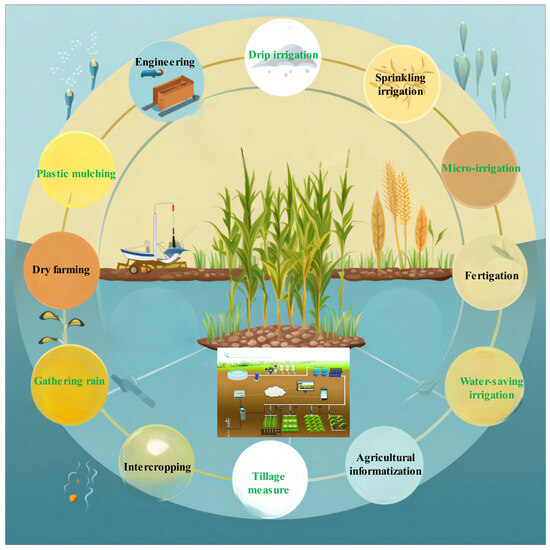
Drip irrigation delivers water directly to plant roots, minimizing evaporation and runoff.
Irrigation scheduling is now based on weather forecasts and soil moisture rather than fixed routines.
Early-morning watering reduces water loss from heat and wind.
These small adjustments have led to significant water savings without compromising crop yields.
Improving Soil to Hold More Water
Healthy soil acts like a sponge. To improve water retention, we focus on:
Adding organic matter such as compost and cover crops
Reducing soil disturbance to maintain structure
Mulching around plants to limit evaporation
Better soil means we water less often — and plants stay hydrated longer.
Collecting and Reusing Water
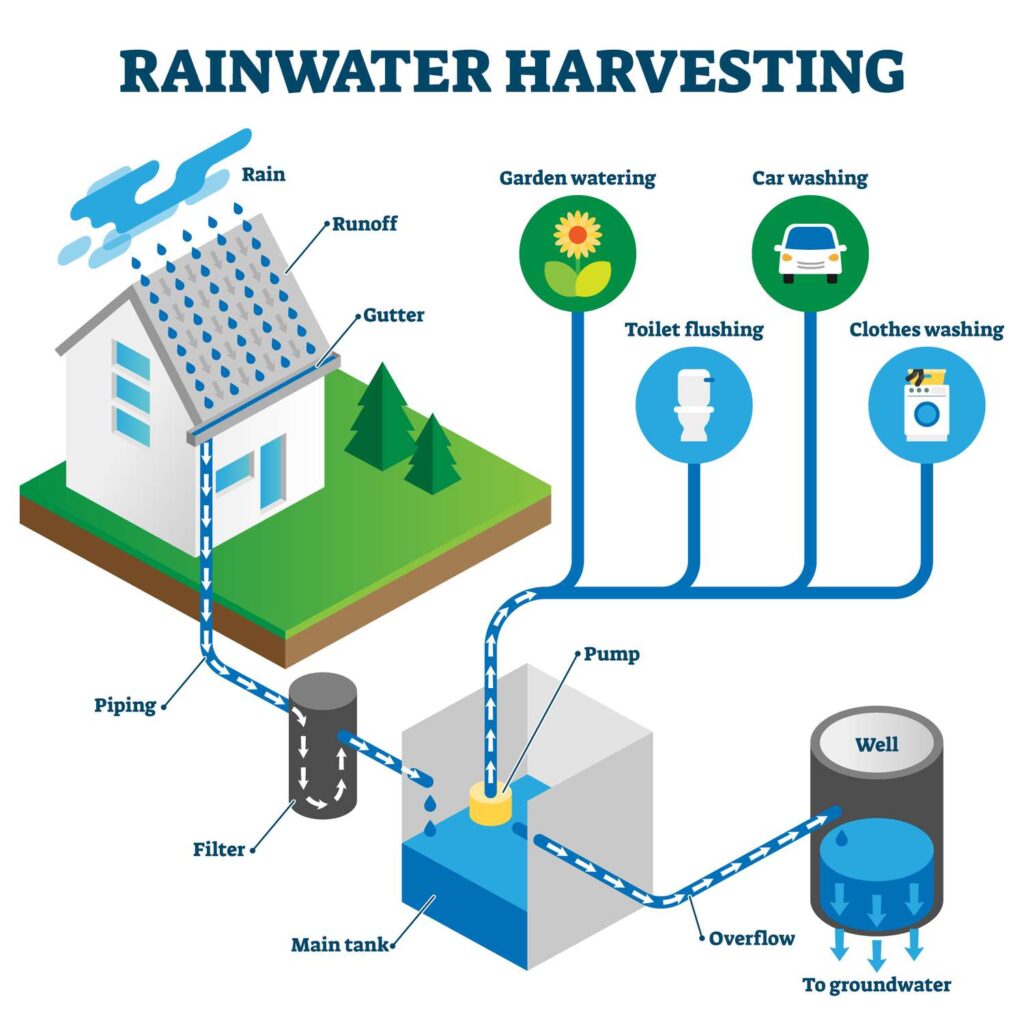
Whenever possible, we capture rainwater from barns and sheds and store it for later use. This water is perfect for irrigation, cleaning equipment, and other non-drinking needs. Reusing water reduces our reliance on wells and municipal sources, especially during dry periods.
Monitoring and Measuring Usage
You can’t improve what you don’t measure. We regularly track water use across different areas of the farm, which helps us spot leaks, inefficiencies, or opportunities to improve. Data-driven decisions allow us to save water without guesswork.
Looking Ahead
Reducing water use is an ongoing process, not a one-time fix. We’re continually learning, experimenting, and adapting as conditions change. Every drop saved strengthens the resilience of our farm and supports a more sustainable food system.
By being mindful of how we use water today, we’re investing in a healthier, more sustainable tomorrow — for our farm and for the land we depend on.